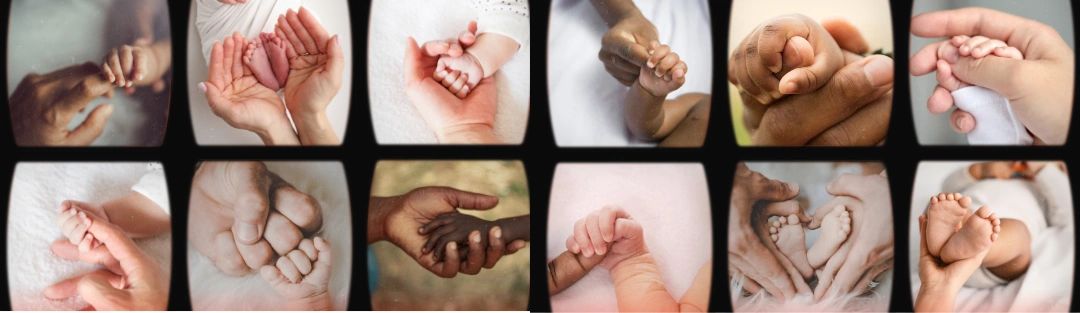
Infertility as a Trauma
Infertility is often seen as a medical issue — but it’s so much more than that. It’s a journey. A long, emotional one. To me, it feels like trying to summit Everest.
I’ve never climbed a mountain, but I use the metaphor often because it speaks to how determined, brave, and exhausted you can feel. Not everyone who sets out reaches the top — at least, not the way they planned. Only about 29% of Everest climbers make it to the summit. The rest face detours, storms, or different outcomes. But all are courageous. All are changed.
Infertility is similar. Some reach their goal quickly. Others take longer. Some find new paths — surrogacy, donor conception, adoption. Some step away. But every path deserves respect.
And here’s the truth: no one climbs Everest alone. You need a guide — someone who knows the terrain, who can help you navigate the unknown.
Let me be that guide. You don’t have to walk this road alone. Your summit may look different from someone else’s — but it is no less meaningful.
Keep climbing. Keep hoping. And when you need a hand — I’m here.

The Impact on the Couple
Many people hear the horror stories about the impact of IVF on their marriage. However, it is not the fertility treatment per se that causes the marriage problem, but the way in which we manage the journey as a couple. It is often suggested that spouses come to a mental health professional together to talk about their expectations regarding the process before they embark on it. Research does show that the more your spouse buys into the process, the more successful the outcome. Men are often optimistic, and want scientific explanations of the process. They want to know how their wife will cope if the test is negative, and the plan forward. It is useful to manage the couple’s expectations of the process and how each can support the other. A man’s distress is more about the fact that his wife is struggling. They tend to battle more with the impact of the infertility on their wives and marriage than on the infertility itself – in general. They struggle with coping with the tears and desperation as they feel helpless and frustrated. This ends up in couples coping independently, a phrase coined in infertility research which explains how each spouse begins to cope independently as they try to keep their own distress from each other. This just isolates each party more.

Third Party Options: Egg or Sperm Donation
Making the decision to use an egg or sperm donor is often filled with loss, uncertainty, and confusion. It raises difficult questions about disclosure, transparency, and what to share in the future.
But while the decision is complex, it is a process that can be managed with the right guidance. For many years, I have assessed donors and supported couples in coming to terms with moving forward when other avenues have been exhausted.
This includes working with both known donors and recipients, and facilitating the creation of Known Gamete Agreements to ensure clarity, fairness, and emotional readiness for everyone involved.
When you finally hold that baby, every struggle, every choice, every tear makes sense. Without your journey, this life wouldn’t be here.

Single Motherhood by Choice
More women are choosing to become single parents. This may be due to being single at the time when they are worried about the decline in egg quality and quantity. Discussions will be had about:
- Egg freezing
- Embryo freezing
- Known sperm donor
- Anonymous sperm donor

Surrogacy
Surrogacy is perhaps one of the most complex and invasive forms of fertility treatment — and one of the least understood. It is both an extraordinary gift and a journey filled with uncertainty. With the right support, that journey can be made lighter.
I have been conducting forensic surrogacy reports for over thirty years, before there were no guidelines and all I could do was a one-page recommendation to the Fertility Specialist. Now South Africa stands at the forefront of surrogacy worldwide. Our law requires a Surrogate Motherhood Agreement, confirmed by the High Court, which provides clarity and protection for all parties involved.
Beyond the legal process, I focus on guiding and mediating the surrogacy journey once the application is granted — helping to strengthen communication, manage expectations, and support the emotional wellbeing of everyone involved.

By the time couple's present to a Fertility Clinic, the diagnoses of depression, anxiety and PTSD are as high as 40%